In 2026, most businesses do not suffer because they have no cybersecurity tools.
They suffer because no one is watching those tools closely enough.
A company may already have firewalls, antivirus software, endpoint security, cloud controls, email protection, and access systems. These tools can warn the business when something looks suspicious.
But a warning is only useful when someone checks it on time.
This becomes even more important for businesses that handle sensitive data, customer records, payment systems, insurance information, financial details, or regulated customer information. In these cases, one missed alert can create a much bigger business risk.
That is where Managed SOC services come in.
Managed SOC services help businesses monitor security alerts, detect suspicious activity, investigate threats, and respond before a small warning becomes a serious incident.
In this blog, we will look at seven signs that your business may need Managed SOC services in 2026.
What Are Managed SOC Services?
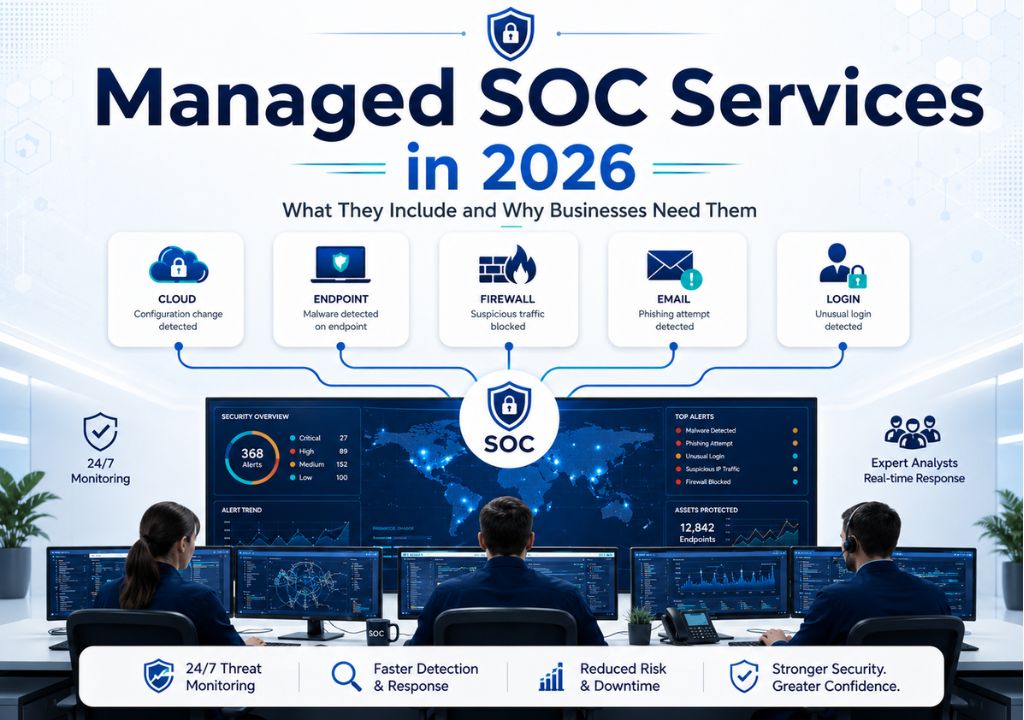
Managed SOC services help a business monitor, investigate, and respond to cybersecurity threats without building a full Security Operations Center on its own.
In simple terms, a SOC team watches security activity across different systems in the business.
This can include:
- Cloud platforms
- Employee devices
- Firewalls
- Login systems
- Email security tools
- SIEM platforms
- Business applications
These systems may already create alerts when something looks unusual. But the challenge is knowing which alerts matter and what action should be taken.
That is the role of Managed SOC services.
A SOC team reviews alerts, filters out noise, checks suspicious activity, and helps the business understand whether something needs immediate attention.
For example, one failed login may not be serious. But repeated login attempts from an unknown location, followed by access to sensitive data, may need quick investigation.
Managed SOC services help connect these signals and turn them into clear next steps.
So, instead of only collecting alerts, the business gets better visibility, faster investigation, and stronger support when something looks wrong.
Sign 1 – You Handle Sensitive Data, Payments, or Regulated Customer Information

Some businesses carry higher cybersecurity risk because of the kind of information they handle.
This includes banks, insurance companies, fintech platforms, payment gateways, healthcare businesses, SaaS companies, and businesses that store customer records, financial details, or confidential business data.
For these companies, one missed alert can become more than a technical issue.
It can affect customers, business operations, reputation, and trust.
For example, if someone tries to access a customer database, payment system, insurance record, or internal business application, the business needs to know quickly. A delayed response can give the attacker more time to move deeper into the system.
This is one of the strongest signs that your business may need Managed SOC services.
With Managed SOC services, security activity is monitored more closely. Alerts are reviewed, suspicious behavior is investigated, and serious issues can be escalated before they become bigger problems.
If your business handles sensitive data, you cannot depend only on tools creating alerts.
You need someone watching those alerts and helping you respond on time.
Sign 2 – Your Security Tools Generate Alerts, But No One Reviews Them on Time

Most businesses already have some security tools in place.
They may have antivirus software, endpoint protection, firewalls, cloud security settings, email security tools, or login monitoring systems.
These tools can create alerts when something looks suspicious.
But alerts do not protect the business on their own.
Someone still needs to review them, understand them, and decide what action is needed.
This is where many businesses struggle.
When alerts keep coming in every day, the IT team may not have enough time to check each one properly. Some alerts may look small. Some may seem repetitive. Some may get ignored because the team is already busy with other work.
Over time, important warnings can get buried under routine notifications.
For example, a failed login alert may not look serious at first. But if the same account is being targeted again and again, it may be an early sign of a real threat.
Managed SOC services help businesses avoid this gap.
A SOC team reviews alerts regularly, filters out noise, investigates suspicious activity, and helps the business focus on the alerts that actually matter.
So, if your security tools are creating alerts but no one is checking them on time, it may be a clear sign that your business needs Managed SOC services.
Sign 3 – Your IT Team Is Handling Security Along With Everything Else

In many businesses, the IT team becomes responsible for cybersecurity by default.
They manage laptops, user access, software issues, cloud systems, vendor coordination, internet problems, and daily support requests.
On top of that, they are also expected to watch security alerts.
That is not always realistic.
Security monitoring needs time, focus, and a clear process. It is not something that can always be handled between helpdesk tickets and operational work.
This does not mean the IT team is not capable.
It simply means they are stretched.
When one team is responsible for too many things, alerts may be checked late. Suspicious activity may not be investigated deeply. Response steps may also become unclear when something serious happens.
This is where Managed SOC services can support the internal IT team.
A SOC team focuses on monitoring, alert review, threat investigation, and response support. This allows the IT team to continue managing business operations while security activity gets dedicated attention.
So, if your IT team is already overloaded and cybersecurity monitoring is becoming one more task on a long list, it may be time to consider Managed SOC services.
Sign 4 – You Do Not Have 24/7 SOC Monitoring
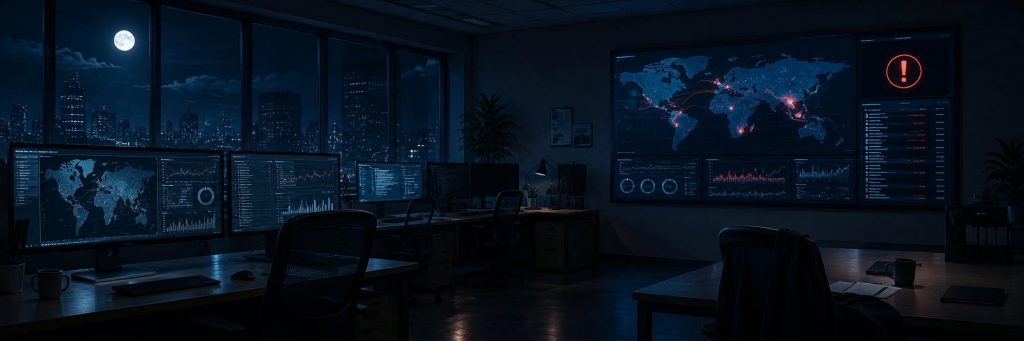
Cyber threats do not wait for office hours.
Suspicious login attempts, malware activity, unusual data movement, and cloud access issues can happen at night, during weekends, or on holidays.
If your business only reviews alerts during working hours, there may be long gaps where no one is actively watching.
That gap can be risky.
For example, if an attacker gets access to an account late at night, the first few hours matter. The faster the activity is noticed, the faster the business can investigate and respond.
Without 24/7 SOC monitoring, alerts may sit unnoticed until the next working day.
By then, the issue may have already moved beyond the first warning sign.
This is one reason businesses choose Managed SOC services.
A managed SOC team can help monitor security activity beyond normal office hours. They can review alerts, identify suspicious patterns, and escalate serious issues when action is needed.
So, if your business does not have round-the-clock security monitoring, it may be a strong sign that you need Managed SOC services.
Sign 5 – You Struggle to Know Which Alerts Are Actually Serious
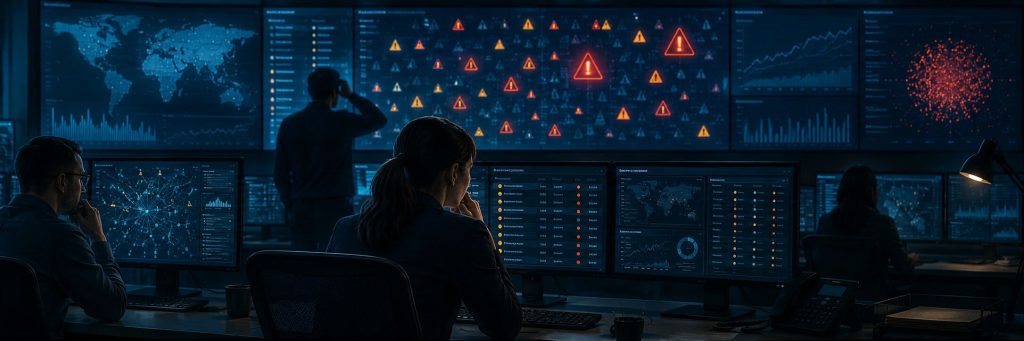
Not every security alert is a real threat.
Some alerts may be harmless. Some may be repeated system notifications. Some may come from normal employee activity. But a few alerts may point to something serious.
The challenge is knowing the difference.
For example, a single failed login may not need urgent action. But repeated failed logins from a new location, followed by a successful login, may need quick investigation.
Without proper SOC monitoring, these patterns can be easy to miss.
This is where many businesses lose time.
The team may either ignore too many alerts or spend too much time checking alerts that are not important. In both cases, real threats can get delayed attention.
Managed SOC services help by reviewing alerts in context.
A SOC team does not look at every alert as a separate event. They check patterns, user activity, system behavior, and risk level before deciding what needs action.
This helps the business focus on the alerts that matter most.
So, if your team is unsure which alerts are serious and which ones are just noise, it may be time to consider Managed SOC services.
Sign 6 – Cloud, Endpoint, and User Activity Are Becoming Hard to Track

As a business grows, security activity also grows.
There are more users, more devices, more cloud platforms, more applications, and more login points to monitor.
At first, this may feel manageable.
But over time, it becomes harder to know what is normal and what needs attention.
For example, your business may need to track:
- Who is logging in
- Where users are logging in from
- Which devices are accessing systems
- What is happening inside cloud platforms
- Whether sensitive files are being moved or shared
- Whether endpoint devices are showing unusual activity
When all of this activity is spread across different tools, it becomes difficult for an internal team to connect the dots.
One alert may come from a cloud platform. Another may come from an endpoint device. A third may come from a login system.
Individually, they may not look serious.
But together, they may show a bigger security issue.
This is where Managed SOC services can help.
A SOC team monitors activity across different systems, reviews suspicious patterns, and helps the business understand when something needs action.
So, if your cloud, endpoint, and user activity are becoming too difficult to track manually, it may be a clear sign that your business needs Managed SOC services.
Sign 7 – Incident Response Feels Slow or Unclear

When something suspicious happens, your business should not be confused about what to do next.
The team should know:
- Who reviews the alert
- Who checks the affected system
- Who decides if it is serious
- Who contacts the right people
- What action should be taken first
- How the issue should be documented
But in many businesses, incident response is not that clear.
An alert may come in, but no one knows whether it is urgent. The IT team may need time to investigate. Managers may not know when to escalate. Meanwhile, the issue may continue to grow.
This delay can create real risk.
For example, if an employee account is compromised, the business may need to disable access, check login history, review connected systems, and understand whether any data was exposed.
If this process is slow, the attacker gets more time.
Managed SOC services help businesses respond with more clarity.
A SOC team can review the alert, investigate what happened, identify the risk level, and guide the next steps. This makes incident response faster, more structured, and less dependent on guesswork.
So, if your team is unsure what to do when a serious alert appears, it may be time to consider Managed SOC services.
Cybersecurity problems usually do not start with one big incident. They often start with small warnings that are missed, delayed, or not investigated properly.
This becomes a bigger risk when your business handles sensitive data, payment systems, customer records, cloud platforms, endpoint devices, and multiple user access points.
Security tools can help detect suspicious activity. But tools alone are not enough if no one is reviewing the alerts, understanding the risk, and guiding the response.
That is where Managed SOC services can make a difference.
They help businesses monitor alerts, identify serious threats, investigate suspicious activity, and respond with more clarity.
If your business is growing, handling sensitive information, or struggling to keep up with security alerts, it may be time to look at Managed SOC services.
SOCRoom helps businesses strengthen security monitoring, improve threat detection, and respond faster with dedicated SOC support.
If your team has the tools but not enough time or people to watch them properly, SOCRoom can help you move from missed alerts to managed security operations.